Your Passport Gets You In, Language Helps You Belong
By Admin | Date: September 20, 2026 | Category: Travel, Digital Nomad, Tips | Reading Duration: 08 min

As a digital nomad or frequent traveler, your passport gets you into a country, but a foreign language helps you truly belong. Beyond just navigating airports and hotels, speaking the local language, even a little, transforms your experience from that of a tourist to a temporary resident. It opens doors, creates connections, and makes your life on the road infinitely richer.
1. Beyond "Hello": Essential Phrases for Travelers
While "hello," "please," and "thank you" are crucial, mastering a few more practical phrases will make your travels smoother and more enjoyable. These are the verbal tools that help you solve problems and connect with locals.
- Asking for directions: "Where is the train station?" or "How do I get to...?"
- Ordering food: "I would like...," "What do you recommend?" or "Do you have vegetarian options?"
- Basic social courtesies: "How are you?" "It's nice to meet you," and "Cheers!"
- Dealing with minor issues: "Could you help me?" or "I don't understand."
These simple phrases show respect and a willingness to engage, often resulting in a warmer welcome and a more authentic experience.
2. The Best Languages to Learn for a Global Lifestyle
While it's impossible to learn every language, focusing on a few that are widely spoken can give you an incredible advantage.
- Spanish: A must-have for anyone planning to spend time in Latin America or Spain. It’s also the second most-spoken language in the United States.
- French: Spoken in many parts of Europe and a wide range of countries in Africa, French is a gateway language to a vast portion of the world.
- Arabic: A valuable skill for travel and work in the Middle East and North Africa.
- Mandarin Chinese: With a growing global presence and economic influence, Mandarin is useful in many parts of Asia. Wissens World language courses
For a more targeted approach, consider learning the language of a specific hub you plan to frequent, such as Thai for Southeast Asia or Portuguese for Brazil.
3. How to Practice While You're on the Move
You don't need a formal classroom to practice. The world is your classroom!
- Find local conversation partners: Seek out language exchange groups or simply engage with shopkeepers, cafe owners, and taxi drivers. They are often happy to help.
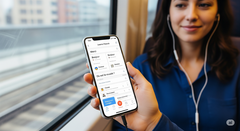
- Leverage mobile apps: Apps like Duolingo, Memrise, and Tandem are perfect for on-the-go practice, from quick vocabulary drills to video chats with native speakers.
- Use media: Listen to local radio, podcasts, or music. Watch TV shows and movies with local subtitles to keep your ears and brain engaged.
- Stay consistent: Even 15 minutes a day of practice can lead to incredible progress over time.
Language is the ultimate travel hack. It allows you to move beyond the tourist trail and connect with people on a deeper level, transforming your travels into a series of meaningful human experiences.
⭐ Quick Takeaway ⭐
| Topic | What to Do | Why It Helps |
|---|---|---|
| Essential Phrases | Learn practical daily phrases. | Smooths out travel and avoids frustration. |
| Global Languages | Focus on Spanish, French, or Mandarin. | Allows you to travel to many regions. |
| Practice on the Move | Use apps and talk to locals. | Keeps your skills sharp and builds confidence. |
Other Popular Blogs